



Summary: This is part three of our real-estate-in review for 2021. We continue to discuss our purchases. Each year I put together a real-estate-in-review blog post. Writing this post helps me reflect on the real estate moves we made over the course of the year, the motivations behind them and their results (thus far anyway!). The goal is to give you the opportunity to glean insights from what we are doing, learn from our experiences scaling our real estate portfolio and become better investors yourselves. With that, let’s dive into our final installment for 2021!
[Disclaimer: We are not accountants, lawyers or financial advisors, so please consult your own team of professionals about the topics covered in this article.]
In part one of this post, I covered the two properties we sold in 2021. In part two, I covered our three cash-out-refinances and our 42-unit purchase. For part three, we’ll cover our last two purchases of the year, with the last one coming down to the wire!
Second purchase of the year
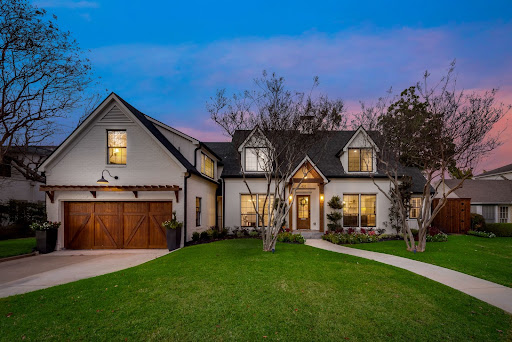
Our second purchase of the year was a short-term rental.
If you haven’t noticed, short-term rentals are hot. It seems like everyone wants one or is about to get one. Kenji wrote about this in a blog post earlier this year. In the article he wrote about the different ways people can get into trouble investing in short-term rentals, and how to avoid these “traps.”
Anytime there’s a buying frenzy like this, it’s important to exercise caution. Especially with a recession looming.
Why did we add another short-term rental to our portfolio?
For us, the main reason was diversification. We already have a large portfolio of long-term rentals (over 150 units and counting!), so adding another short-term rental made sense. We like the potential for higher cashflow with short-term rentals, and we love the tax benefits. If you haven’t heard, you can shelter your doctor salary and pay zero taxes with the short-term rental tax loophole.
Location
In terms of our purchase location, we chose Dallas TX. We already had one short-term rental in a rural location, so for this one, we wanted one in a top metropolitan market. We like metro areas because of the potential to serve many types of guests.What we usually see is that most doctors who invest in short-term rentals target vacation or resort areas, which cater to only one type of guest: people going on vacation. Well what happens when there’s a recession? People stop going on vacation and your cashflow plummets. We knew that by investing in a metro area, we’d have access to all guest types, including some recession resistant ones like people traveling for medical reasons or for life events, for example, weddings and funerals.
Speaking of recessions, one of the traps you can fall into is over-leveraging yourself with a second home loan and then having your property lose value when the downturn comes. This is how you can get trapped holding onto an asset that has lost value with limited options except waiting it out.
This is just one example of the type of thinking that has gone into our short term rentals course. We really want to ensure that you learn how to accelerate your wealth with short-term rentals, not lose money! If you want to learn more about our course, CLICK HERE.
In terms of the Dallas property, it’s a four bedroom, four and a half bathroom house in a really awesome up-and-coming neighborhood in Dallas. As in all things real estate, it’s about location, location, location. We analyzed the area and felt that there was an opportunity in the market for larger, luxury properties. Specifically four bedroom homes with a hot tub and a pool. The home we purchased doesn’t have a pool or a hot tub. But there is space for one in the backyard AND the previous owner had already secured the permits for one. Therefore, this seemed like a great way to force appreciation on the property.
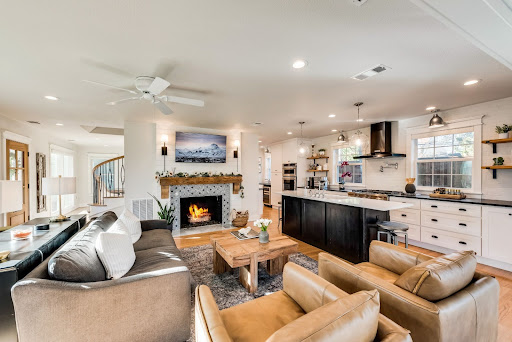
Forcing appreciation, unlike market appreciation, isn’t tied to the economy, so this is a great way to protect our downside risk.
Tax Benefits of our Purchase
In terms of the tax benefit of our purchase, even though we closed on the property at the beginning of December, we were able to get it up and running before the end of the year. We even secured a booking! This is important because you need to have your property placed in service in order for you to reap the tax benefit.
For those who know the difference between Real Estate Professional Status and the short-term rental tax loophole, an average length of stay of >7 days will make your rental a long term rental in the eyes of the IRS. We decided to focus on securing a longer stay on this property for 2021 to ensure it is treated as a long-term rental, not a short-term rental. We can do this and still get the immediate tax savings of bonus depreciation because Kenji is a Real Estate Professional so we can group this property with our other properties.
Learning pearls: Short-term rentals are a great way to increase your cashflow but also generate massive tax savings (i.e., pay zero income taxes). Especially if you have a full-time job. You can choose to have stays a certain length of time to qualify as a long or short-term rental. Real estate portfolio balance is important as you expand. Consider risk and the amount of leverage you’re comfortable with as you incorporate short-term rentals using a second home loan (10% down) into your portfolio.
Final purchase of the year:

Location
Our third and final purchase of the year was a 160-unit multifamily property in Las Vegas. This one took about six months from due diligence to close and it was a huge undertaking. There were numerous factors that made the purchase especially challenging.
Challenges
One of the main challenges during this purchase was that the complex consisted of 160 individually deeded units. The seller only owned 158 units. This meant we had to figure out a way to buy the last two units. If we hadn’t been able to purchase them, it wasn’t a deal breaker. However, it would have complicated matters significantly to have to operate a homeowner’s association (HOA) and collect HOA dues. Securing the units went down to the wire. In the end, we were able to get the last two owners to sell their units to us in December.

The other challenge of this purchase was getting funding. Some lenders had trouble with the individually deeded units and having only 158 out of 160 units locked up. In the end, we found a great lender who gave us excellent terms. Part of the reason we were able to secure this loan was because it turned out to be one with whom I had already had a close banking relationship. This emphasizes the importance of having great relationships with a lender.
Also, as it turns out, lending to us met their needs as well. They had a goal for lending before the end of the year and we helped them meet their goal. Instead of doing a number of small transactions, they could do one big transaction to meet their funding goal.
The last big challenge was the way we structured the purchase. We chose a TIC-syndication model. If you haven’t heard of a TIC-syndication before, that’s because it’s just not that common.

Syndications are fairly common. That’s where you pool money from a bunch of passive investors and you buy a property. TIC or tenants-in-common are less common. That’s when you get together with other investors to buy a property as co-owners. You aren’t partners and it’s not a joint venture. You own a portion of the property along with other owners.
Why did we choose this structure? There were lots of reasons.
The first and probably most important, TICs give you a way to 1031 into and out of a property. If you do a joint venture or partner with someone to buy a property, you and your partner can’t 1031 out their share. You are married to each other through multiple deals unless you do a lot of complex maneuvering that takes time. If you know anything about us, we like to give ourselves flexibility and options. So buying it as a TIC is how you want to do it.
On top of the TIC, we added additional complexity by adding a syndication. I’ll save the details for a future article. But bottom line: the deal was complicated as is. However, the syndication took it to another level completely.
What We Love About our Purchase
In the end, despite the challenges, we were so grateful for the opportunity to lead the process and create something new to bring to students in our Zero to Freedom course and members of our membership site. When we learn something new in real estate, we share it with the community.
What we love about the TIC-syndication is that it addresses the problem we all face eventually: I don’t have enough money!
Because of the TIC-Syndication structure we don’t care how big a deal our agent brings us. We don’t need to limit ourselves to the amount of money we have for a down payment. We tell our agents, bring us anything and we’ll figure out the money part.
Learning Pearls: Your relationship with your lender is really important to your ability to secure a loan. TIC-Syndications offer the opportunity to 1031 out and into properties. As well as to partner with other investors when you don’t have the capital. It’s possible to use the TIC-Syndication model to buy large properties that you can’t afford to purchase yourself.
Conclusion
As we push ourselves to grow our portfolio and try new things, Kenji and I build our knowledge and confidence to continue to step outside of our comfort zone and do even more. We hope that the insights we’ve gained this year will help contribute to helping you to build your real estate portfolio.
Want to learn how to build a significant source of income from investing in real estate while reducing your taxes? Join us in one of our courses, Zero to Freedom, or Accelerating Wealth.


