


Summary: This is Part 2 of our summary of a Happiness seminar we attended in October 2022. This event was such an incredible experience for us, we wanted to summarize some of the main takeaways for our blog readers in hopes that you might be able to glean some useful pearls to apply to your lives. In Part 1, we covered some of the main takeaways. In Part 2, we’ll share additional takeaways but the real focus is on resources you can use to build a foundation for increasing your level of happiness each day.
Note: This contains affiliate links. If you purchase via our link, we will receive a small commission at no additional cost to you.
“When I believe my thoughts I suffer. When I question my thoughts, I don’t.” – Byron Katie
Welcome back to part two of our two part series on Happiness. In part one, we covered some of my main takeaways from Tony Robbins’ Happiness seminar in Punta Mita, Mexico. First, we covered why unhappiness is part of the human experience and our culture. Second, we shared a formula for happiness from one of the speakers, Mo Gawdat.
In this section, we’ll cover several other important learning pearls and provide you with resources you can use to go more in depth and work on building a foundation for increasing the level of happiness you experience each day.
Judging others is at the core of unhappiness
As I alluded to in part one of this article, one of things we all do to each other is attempt to control each other’s behavior. We tell our friends, family and spouse how they/he/she should be all the time.
Which leads us to another key takeaway from the seminar: if you have the thought that anyone has to do anything in a particular way, you will be disappointed all the time. It’s time to give that up. People will do what they are going to do.
As another one of our incredible speakers, BK Shivani, espouses, “they are on their own path.”
This is especially relevant to your intimate relationship. Many of us have extremely high expectations for how our spouses should behave. We hold them to an impossible standard. Compare this to the standard you hold for your friends or other family members, and you’ll probably find that you don’t hold them to this same impossible standard. And compare this to the standard you hold for yourself – you may find that you don’t even meet such lofty standards (more about that below!).
Having expectations (doesn’t that word sound familiar!) for your spouse/significant other results in not truly seeing and appreciating all the good. Instead, you stack the bad. If you decide to trade expectations for appreciation, you can change your interactions and your relationship dramatically.
If someone else doesn’t behave the way you expect, decide to be happy anyway.
You are by now hearing a recurring theme. Most people try to change the external circumstances to feel happy, but the result is still feeling bad. The internal is where the changes must happen. Happiness is a choice you make yourself multiple times a day. It has nothing to do with what is going on around you.
I’m not saying this is easy. Both Kenji and I still struggle with doing this consistently for each other. However, we are getting better at catching ourselves when we have expectations of the other person that lead to unhappiness.
If you want to read more about the conferences Kenji and I have previously attended on relationships, check out this post.
Happiness starts with your relationship with yourself
My biggest takeaway from the Happiness seminar was that happiness truly starts with accepting, appreciating and loving yourself.
When you have judgements about yourself, these often result in you judging others. You think it’s about them, but it’s really about you. They are a mirror of what you see is missing or not ideal in yourself.
When Byron Katie, author of Loving What Is, came to work with us, one of the things we did was do her “Judging Your Neighbor” worksheets. In the turn around portion of that activity, we turned around the judgements we had on the person who was the focus of our worksheet. Our judgements of others really are judgements of ourselves.
“He should stop being selfish” became “I should stop being selfish.”
All of a sudden, all of us in the audience could all see how we were doing exactly what we were judging others for doing.
When you work on yourself, on accepting, appreciating and loving yourself, you start to extend that compassion and grace to others. Just as you are not perfect, neither are they.
Don’t be a collector of bad experiences
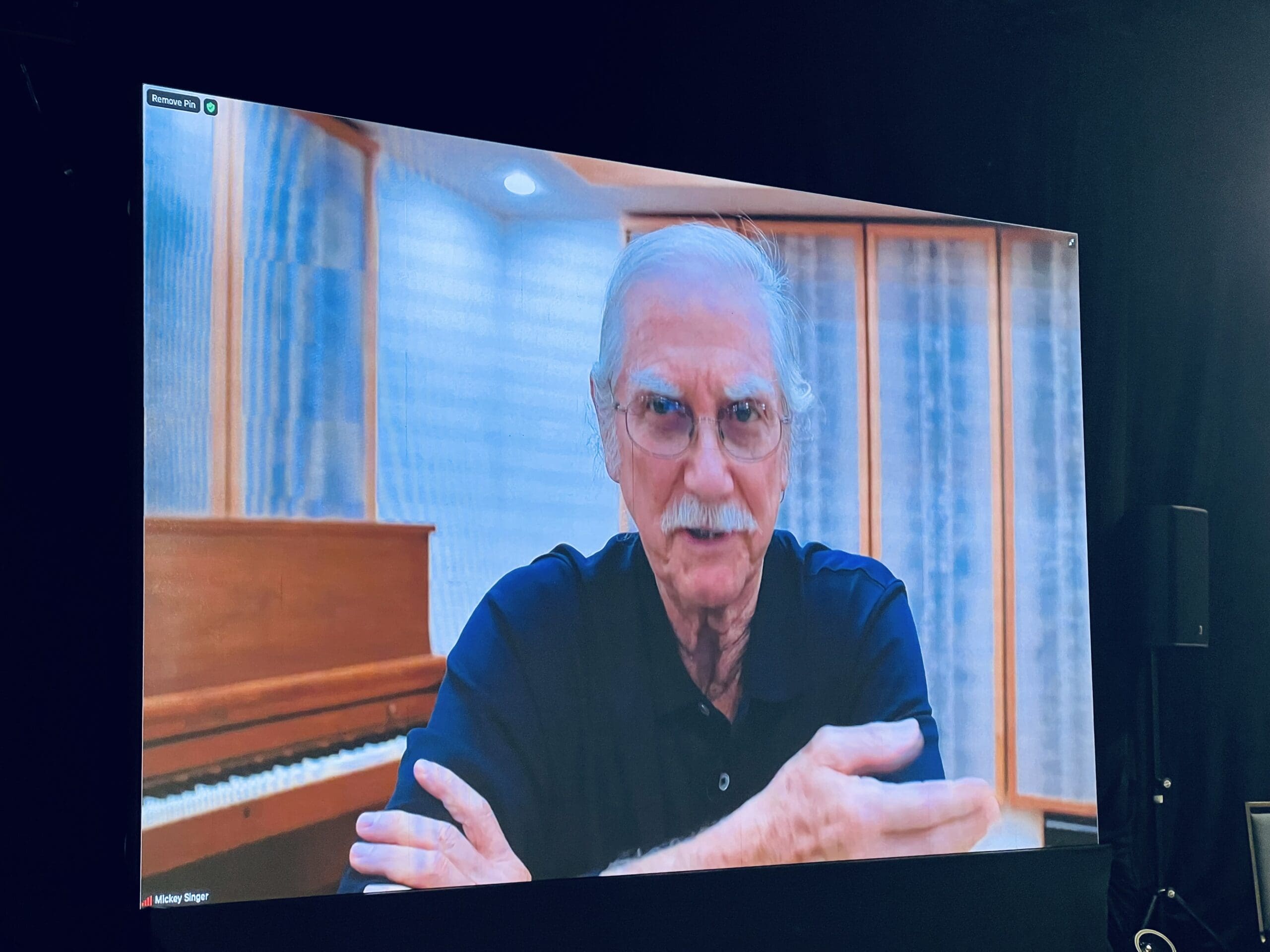
While we touched on reframing challenges or “negative experiences” as life happening for you in part one of this post, I wanted to revisit this subject with a little different spin.
One of the speakers, Michael Singer, author of The Untethered Soul and Living Untethered, spoke extensively about how humans tend to keep negative memories in their heads and relive them over and over.
He called us collectors of bad experiences.
Similar to other speakers, he pointed out that the “moment in front of you isn’t bothering you – you are bothering yourself about it.” He suggested accepting the experience and letting it go through you. He advised, “don’t store it and resist it.” He asked, “what is the benefit of keeping stuff stored inside you from 20 years ago?”
In his view, every experience you can’t handle, you resist or suppress, which results in it going into your body, blocking your energy flow. To let experiences go, he uses the mantra, relax and release.
He then offered the idea that we should welcome each challenge as an opportunity to get rid of energy blockages, because each time we feel resistance, it means we have a stored negative experience that needs to be let go. So the challenge provides us an opportunity to relax and release and let that memory go out of our bodies.
Through releasing areas of resistance, over time you find the unconditional joy underneath.
I can say that Kenji and I have been practicing this concept of relax and release, and we’ve found it useful. Like everything, it’s constant work, and we’ll get better at it over time.
Happiness is a habit
One concept that was repeated by speaker after speaker is how happiness needs to be a daily practice. Until you make it a habit, instead of being a part of you, happiness is an occasional visitor.
At our baseline, I suspect many of us feel like happiness is just something that happens to us. When something we want happens, then we are happy.
The speakers emphasized that you don’t want to have your happiness dependent on the outside world giving. Rather, you have to start by creating happiness within yourself. The way to do that is to practice it every day.
This starts with having a daily practice/ritual for cultivating happiness.
I’ve put a couple tools and practices below for those of you who want to start incorporating the practice of happiness into your daily lives.
When you practice happiness, you change your biochemistry and neural wiring – this can shift your daily experiences in a very meaningful way.
Happiness is when I lead with my heart. Unhappiness is when I lead with my head.
My final takeaway from the seminar wasn’t anything that came from one of the amazing speakers or even from Tony. It was an insight that came to me when Tony asked what our rules were for feeling happy.
I wrote mine down: “When I am radiating and I lift others up around me.”
Then he said that most of us have the word “and” in our rules. Plus, we make our rules for feeling good difficult to achieve.
I was clearly guilty of doing both.
Therefore, I came up with a new rule for happiness for myself: happiness is when I lead with my heart.
I’ve found that most of the times that I’m stressed or anxious, I’m stuck in my head, thinking. But if I go to my heart and make decisions from there, oftentimes the answers are clear, more simple and feel right.
This is pretty consistent with another Tony quote: “Get in your head, you’re dead.”
This rule for happiness doesn’t have an “and” and it is easy to achieve. All I need to do is tap into my heart.
When I lead myself this way, it opens up the possibility to be happy most of the time. Which leads me to ask, what’s your rule for happiness? Do you want to change it?
Happiness is an internal experience
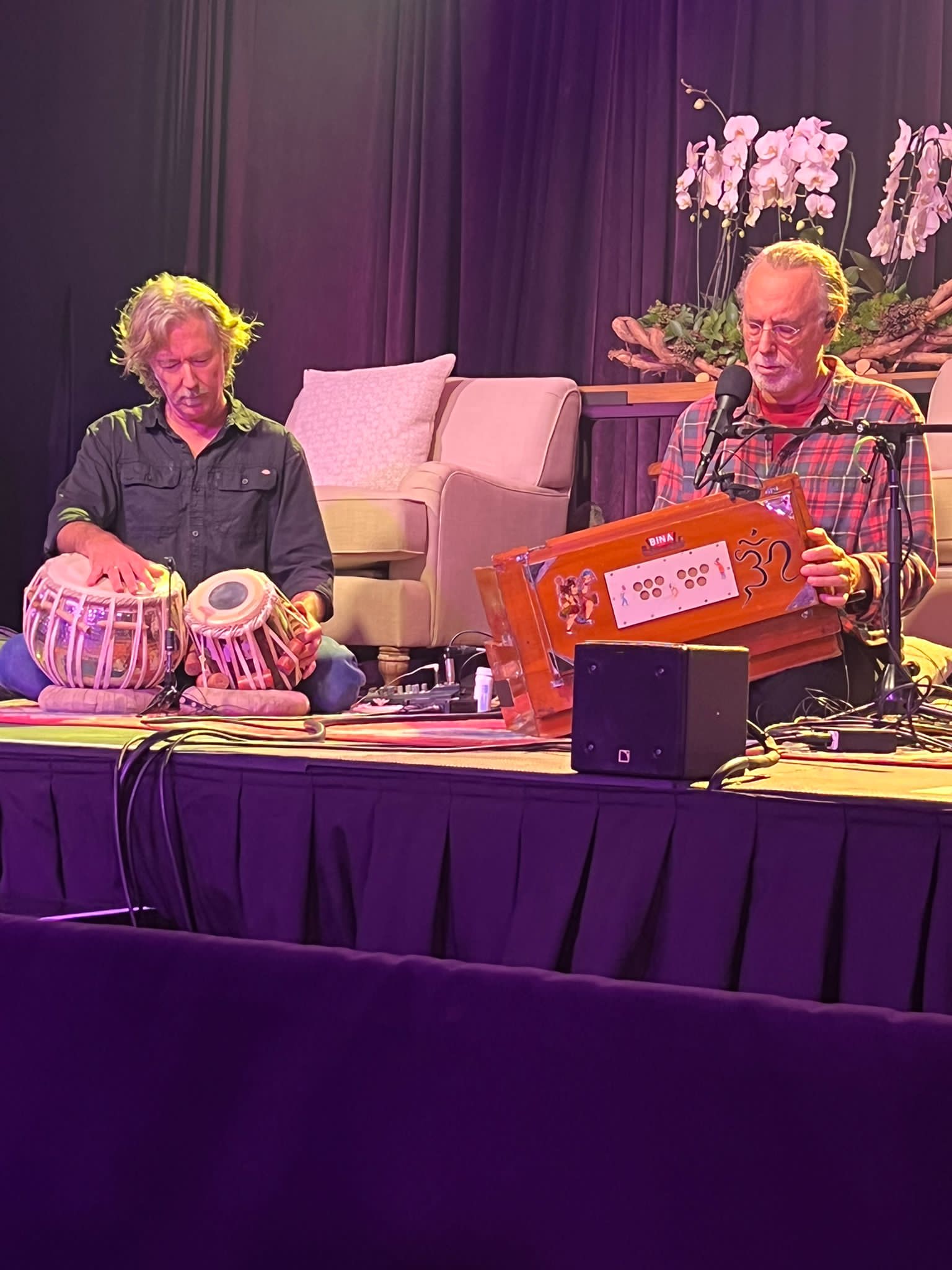
The Happiness seminar we attended was five and a half days (each day was 15+ hour days) of lectures, interventions and experiences.
I’ve mentioned some of the speakers, but others who I did not get a chance to include who also contributed greatly to the experience were Krishna Das (musician), Michelle Blechner (Family Constellations), Russel Brand (actor, comedian and so much more), Jon Dorenbos (NFL player and magician) and Sharon Saltzberg (meditation expert and author of Real Change).
Even though many of our readers didn’t get the opportunity to attend the seminar with us, I hope this post has captured some of the most powerful takeaways and has set you on your journey to creating more happiness for yourself and those around you.
Want to hear more about mindset and real estate investing? Join our email list to get our weekly newsletter and other resources to help you along your journey to creating a life you love.

Download Your First $100k Year – Real Estate Blueprint Guide
Resources:
Living Untethered and The Untethered Soul by Michael Singer
Solve for Happy by Moe Gwadt
BK Shivani’s YouTube channel
The Work by Byron Katie
Tools/Practices:
Happy List – Write down everything that makes you happy for two minutes. Reflect on how many of them are available to you every day. Make a plan to appreciate more of these things in your daily life
Meditation – daily meditation to focus inward, make changes and move beyond the chattering of thoughts and emotions in your mind. Recommend: Joe Dispenza’s Progressive Intensive Course as a starting point
Code of Conduct – Write a list of who you want to be and review daily (eg. be loving, be courageous, be in a beautiful state)
Daily incantations/mantra – three to five daily sayings that you repeat to yourself with energy and emotion to help reinforce who you are and how you will show up (eg. I am love, I am gratitude, I am faith)
Positive flood – spend time every day thinking about all the things you’re grateful for to stack all the beauty and happiness
Priming – daily practice to increase energy, practice gratitude and visualize the future https://www.youtube.com/watch?v=faTGTgid8Uc


