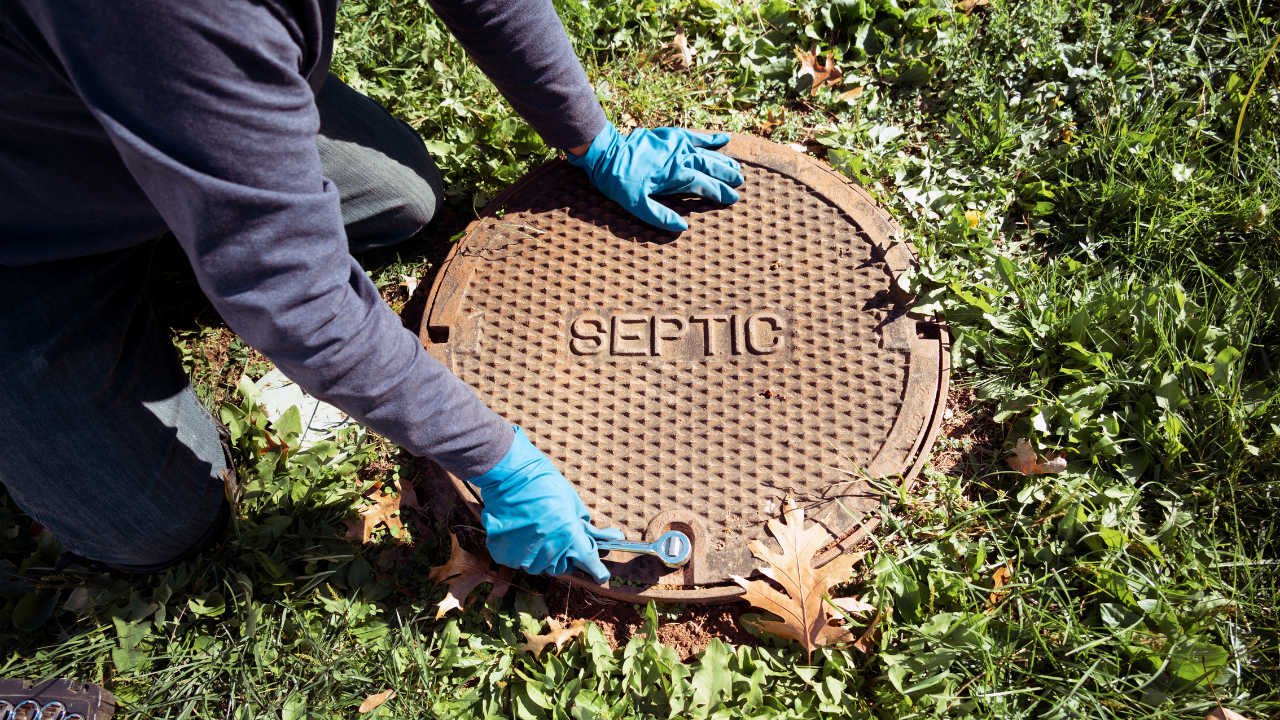
Summary: Are you looking for investment properties and wondering if you should avoid the ones with septic systems? In this article, we dive in to the things you need to know about septic systems and some things to consider when buying a property with a septic system. Ultimately you need to weigh the pros and cons and decide what’s best for you and your portfolio.
[Disclaimer: We are not accountants, lawyers, or financial advisors, so please consult your own team of professionals about the topics covered in this article.]
So you’ve just found an awesome investment property that checks all of your boxes except one. The property has a septic system instead of being connected to the City’s sewer system.
Is this a deal breaker? Should you avoid buying this property, even though it meets all of your other criteria?
Let’s dive in and find out!
What is Septic?
A septic system is a self-contained, underground wastewater treatment system, commonly used in rural areas without centralized sewer systems. It functions by collecting all household wastewater in a septic tank, where solids and liquids separate. The liquid layer, or effluent, then flows out into a drain field, also known as a leach field. In the drain field, the effluent percolates through the soil, which acts as a natural filter, removing harmful bacteria and contaminants before the water safely reenters the groundwater system.
What are some advantages of septic systems?
If you don’t know much about septic systems, you might assume they aren’t that great, but they actually come with a number of advantages.
- Cost-Effective in the Long Run: Septic systems can often be more cost-effective than public sewer systems, especially if they are properly maintained. There are no monthly sewer fees, and a well-maintained septic system can last for decades.
- Eco-Friendly: Septic systems can be better for the environment, as they naturally filter wastewater and don’t rely on large treatment plants that consume energy.
- Self-Sufficiency: Being independent of municipal sewer systems can be a plus, especially in areas where those systems might be aging or unreliable.
What are some challenges of properties with septic systems?
Then of course, there are some downsides to owning a property with septic systems, especially if they aren’t well maintained.
- Maintenance Responsibility: Septic systems require regular inspections and pumping to avoid backups and prolong their lifespan. As the property owner, you’ll bear the responsibility (and costs) for this maintenance.
- Potential for Expensive Repairs: A failing septic system can be very costly to repair or replace. Issues might include drain field failures, tank cracks, or other significant damages.
- Impact on Property Value and Resale: Some buyers are wary of properties with septic systems due to the perceived maintenance challenges or potential issues, which might influence resale value or time on the market.
- Limitations on Property Use: The presence of a septic system can limit certain activities or developments on the property, such as swimming pools, which might need to be situated away from the drain field.
How to evaluate an investment property with septic
So let’s say you find a great investment property with septic. What’s next? The first step is to get an inspection. The inspector will evaluate the age and condition of the septic system. They may also have information about the inspection schedule and the last time pumped. A property maintained septic system should cause fewer problems. You’ll also want to dig into the local regulations. Some municipalities have strict regulations regarding septic system maintenance and replacement. Familiarize yourself with these rules, as they could influence long-term costs. Finally, you’ll want to dig into the property history. Has the property had any septic system failures or issues in the past? Previous problems might indicate potential future challenges.
Our experience with septic systems
We have bought a number of properties with septic systems and overall we have had a positive experience. Part of this is ensuring that the system is evaluated thoroughly before purchase. If any problems are found, we like to use this as a negotiating point to have the seller do any repairs. We also perform regular inspection and maintenance. For one of our short-term rentals, we even do more than required because of the heavy use. As a result of these precautions, we have had very few problems with our septic system.
In addition to our own properties, we have helped many other investors in our community problem-solve their septic systems. One was a 30 unit property that had a septic system that kept backing up. It turns out that the problem all stemmed from a resident who was flushing wipes and diapers down the toilet. Since the problem was caused by the resident, the resident was responsible for the cost of all of the maintenance calls associated with the backups.
So should you avoid buying an investment property with septic?
Purchasing an investment property with a septic system doesn’t need to be a deal-breaker, but it does require due diligence. By understanding the system’s condition, being prepared for maintenance responsibilities, and factoring in potential costs, investors can make an informed decision. As with any investment, research, preparation, and a clear understanding of the pros and cons are key.

Download Your First $100k Year – Real Estate Blueprint Guide